

Key Takeaways
- MiSight soft contact lenses can help slow the progression of myopia in children.
- Kids can enjoy clear vision for sports and activities without wearing glasses.
- They can be a good option for children who are responsible enough to manage daily disposable lenses.
- Good hygiene habits are important to help keep small eyes healthy and comfortable all day.
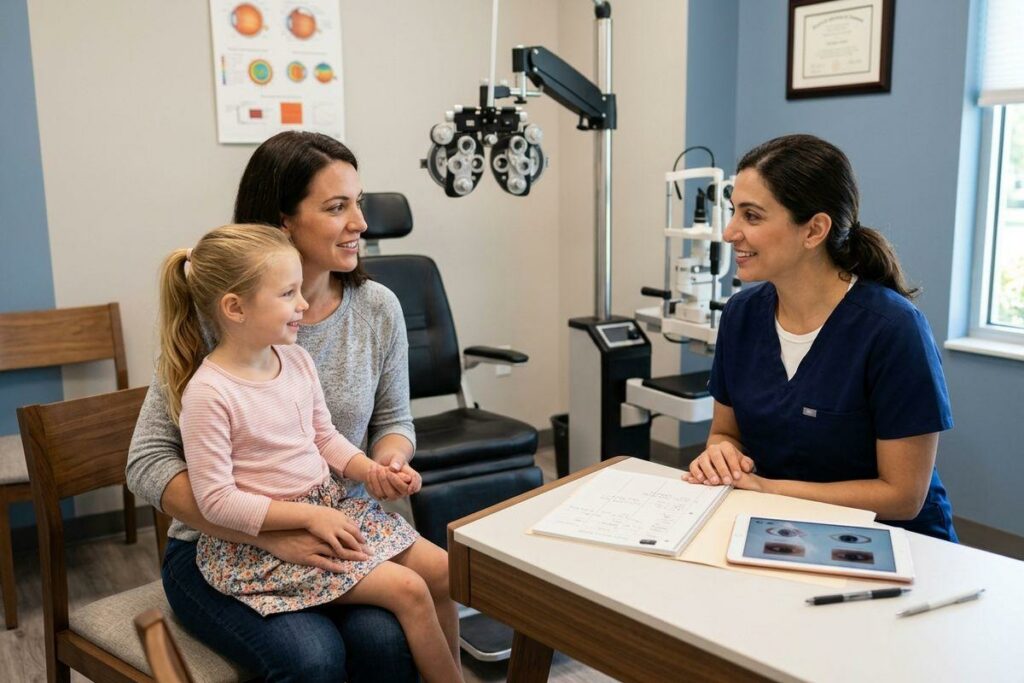
If you’ve noticed your child squinting at the television or holding books close to their face, they may have myopia, commonly known as nearsightedness. Myopia can progress as the eyes continue to grow, but at Optix Eye Care, we want you to know about options for managing the progression in children. You may have heard of contact lenses for kids and want to know how they work and who is a good candidate for them.
MiSight contact lenses are a daily disposable option that can help slow the progression of myopia and provide clear vision for kids throughout the day, without the need for glasses. They can be a good fit for children who are responsible enough to manage contact lens care.
What MiSight Contact Lenses Do
A Special Design for Kids
Traditional glasses are designed to correct blurry vision, which is helpful, but doesn’t address myopia progression. MiSight lenses take a different approach. They are daily disposable contact lenses that rest on the eye’s surface and help slow the rate of myopia progression over time.
There are a few main benefits to MiSight lenses, including:
- The daily disposable format means children don’t have to handle complex cleaning chemicals.
- They are FDA-approved for slowing down the progression of myopia in children.
- They provide clear vision during the day so your child doesn’t have to wear glasses.
How the Lenses Work
Myopia happens when the eye grows too long from front to back, which changes where light lands and causes blurry distance vision. MiSight lenses use a design involving specific optic zones that focus light differently inside the eye, which may help slow eye elongation associated with myopia progression.
Clear Vision and Healthy Eyes
More Freedom for Activities
Active kids sometimes find traditional frames frustrating. Glasses slip down sweaty noses during soccer games or get bent in backpacks. Some kids just choose not to wear their glasses at all.
Soft contacts can help remove some of these daily hurdles.
Long-Term Eye Health
It’s common to wonder why a lower prescription even matters in the long run, and that’s an understandable question. A lower prescription does more than just keep lenses thin.
High myopia (or severe nearsightedness) can increase the risk of eye diseases later in adulthood. This is because the eye is so stretched that it can damage the delicate tissues inside. That’s why managing the condition early helps set up a healthier future.
The “Right Age” for Contact Lenses
Many parents assume contacts are only for teenagers, but children of many ages can actually adapt to contact lens routines. There is no exact “right age” that children become ready for contacts, instead, maturity is a much more important factor to consider.
MiSight lenses are daily disposables, which does remove some of the complex contact lens care needed for reusable contacts. That being said, proper hygiene habits like hand-washing are very important for reducing the risk of infection or irritation. During a children’s eye exam, our eye doctor can evaluate whether your child is a good fit for MiSight lenses and whether they’re able to handle the routine.
When to Start Treatment
While there is no exact right age to begin treatment, it is good to know that earlier intervention can help keep prescriptions lower. Our eye care team can monitor your child’s myopia and help your family decide what may be right for you.
Signs Your Child Is Ready for Contacts
Responsibility at Home
Proper contact lens care requires a steady routine and basic cleanliness. Children who manage daily responsibilities well may also be ready to handle contact lens routines. Here are a few general signs to look for:
- They remember to feed the family pet or make their bed without nagging.
- They maintain good personal hygiene habits like brushing their teeth twice a day.
- They keep their current glasses clean and store them safely in a case.
Interest in Contacts
Motivation plays a huge role in success. Kids who actually want to wear contacts learn the steps much faster. Pay attention to how they talk about their current eyewear. If they tend to talk about how much they don’t like glasses, or show curiosity about your contact lenses (if you wear them), it might be time to have a conversation about MiSight lenses.
Healthy Habits for Lens Care
Daily Hygiene Rules
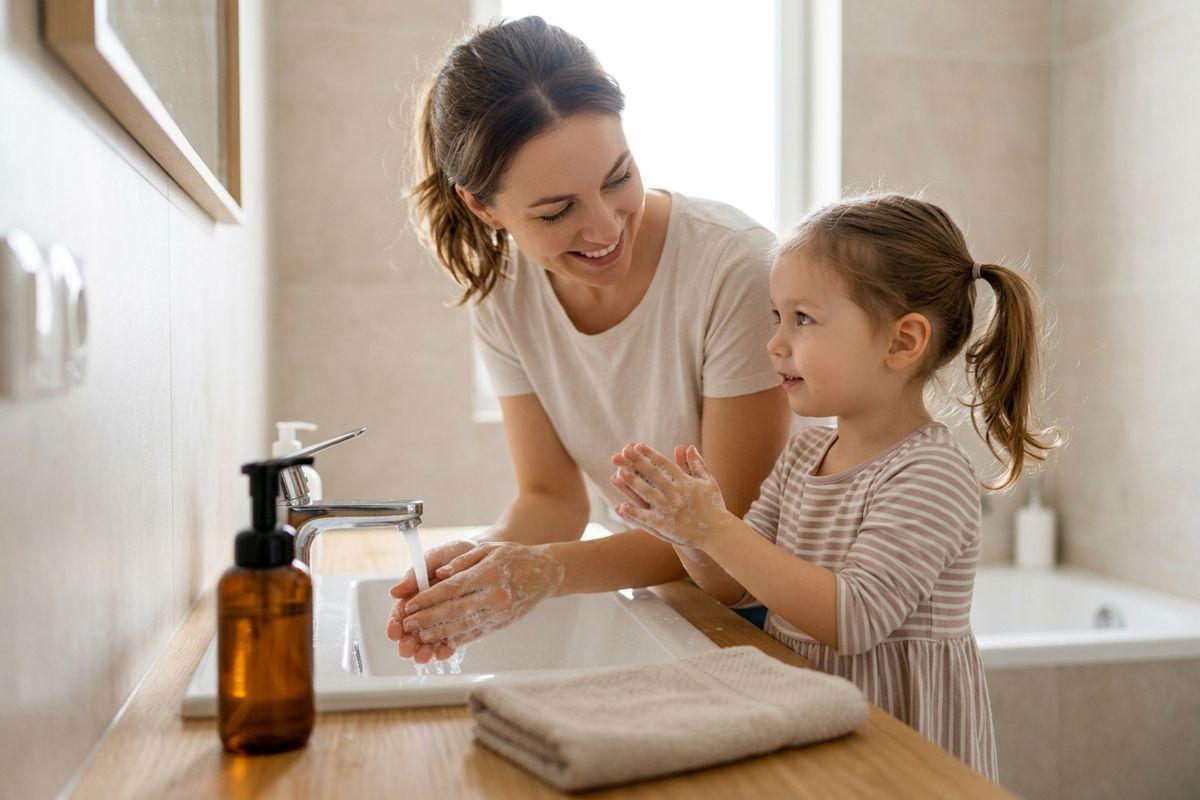
Clean hands are key for stopping the spread of bacteria and germs. That same logic applies to handling contact lenses, too. Here are some daily hygiene habits to remember:
- Wash hands thoroughly with mild soap before touching the face or eyes.
- Dry hands thoroughly with a clean towel to prevent debris transfer.
- Use approved contact lens solution if applicable, never tap water.
Safety Rules for Daily Wear
Proper wear schedules keep the eyes comfortable and healthy. Wearing lenses beyond their recommended lifespan can cause red eyes or discomfort, and in severe cases, may even require emergency eye care. With contact lenses, always follow these rules:
- Take the lenses out before naps or overnight sleep.
- Remove lenses before jumping in a pool or taking a shower.
- Never share lenses with siblings or friends.
Book Your Child’s Eye Exam
At Optix Eye Care in Riverview, we help families with myopia navigate vision changes with compassion and care. Our eye doctors are here to offer comprehensive myopia management to support your child as they grow. If you’re curious about MiSight lenses for your child, we’d love to see you. Book an appointment today.