


Key Takeaways
- Allergies can create a specific form of pink eye that is not contagious.
- Clear stringy fluid often points to an allergic reaction rather than an infection.
- Thick yellow or green discharge is more commonly associated with bacterial eye infections and may warrant professional evaluation.
- Simple at-home steps can help soothe mild redness and discomfort, but if the problem persists, it’s worth seeing an eye doctor.
You might wake up with red, scratchy eyes and immediately worry about spreading an infection to your family. Our team at Optix Eye Care often sees patients who rush to stay home from work or school out of caution, and while we understand this, it’s not always necessary. We’re here to help you understand when your symptoms suggest something contagious.
You can get a non-contagious type of pink eye from everyday allergies. When airborne particles reach your eyes, your immune system reacts by turning the white part of your eye pink and irritated. If you’ve tried managing allergies at home but your symptoms seem to worsen rather than improve, it may be a good idea to seek professional care.
The Link Between Allergies and Pink Eye
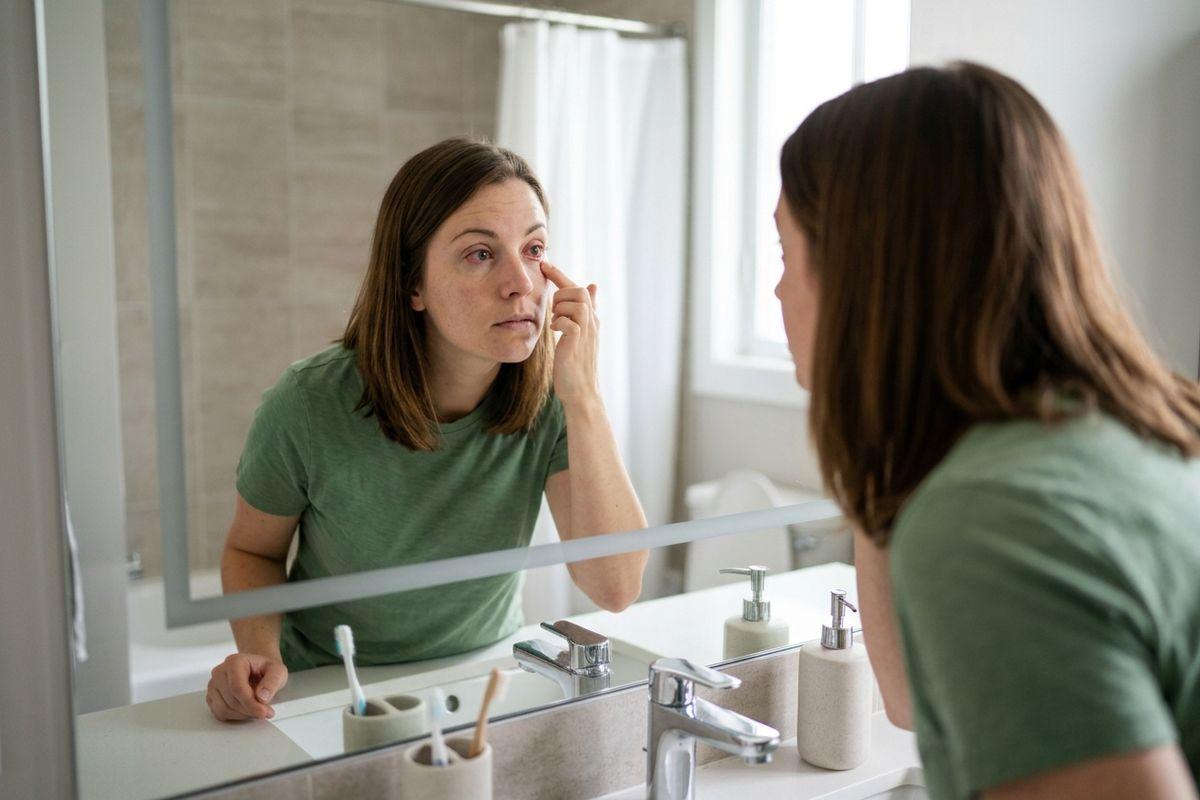
An allergy can occur when your body overreacts to harmless substances in the air, like pollen or pet dander. This response leads to a condition called allergic conjunctivitis. It can look quite red or pink in the mirror, but it isn’t contagious.
Signs Your Symptoms Stem from Allergies
Different kinds of conjunctivitis have different treatments, depending on what causes them. That’s why figuring out what kind you have is so important.
Allergic reactions feel differently than viral or bacterial conjunctivitis. That’s why paying attention to the details of your symptoms can help narrow down the source, though getting a clear diagnosis can also come from a comprehensive eye exam.
Try to notice these signs that suggest you’re having an allergic reaction:
- Intense itchiness develops in both of your eyes at the same time.
- Clear stringy fluid forms in the corners of your eyes.
- You also have puffy eyelids, runny nose, or frequent sneezing.
Differences Between Infectious Pink Eye and Allergies
Bacterial and Viral Pink Eye Traits
Infections behave quite differently than seasonal sniffles because they’re caused by different things.
Try to notice these signs that your pink eye may be caused by a virus or bacteria:
- Thick yellow or green fluid collects along your lash line overnight (more common with bacterial infections).
- The irritation starts in a single eye before spreading to the other side.
- The surface feels gritty, almost like sand got trapped underneath your eyelid.
Why Contagious Infections Need Professional Care
Catching an infection early can help keep your entire household healthy. While they can sometimes go away on their own, others don’t, leaving you uncomfortable for weeks.
Viruses and bacteria are very contagious, so they can easily jump to your family members through shared surfaces or close contact. But our team is here to help: If a bacterial eye infection is diagnosed, treatment may include prescription antibiotic eye drops.
Hidden Sources of Sudden Eye Irritation
Common Environmental Elements
The world around you holds tiny particles that can float right into your eyes, and sometimes these elements peak at different times of the year. During certain months, spring pollen levels reach high concentrations outdoors. Indoors, pet dander can float through your home or collect in air conditioning vents, and dust mites can live deep within upholstery, such as carpets and bedding.
Everyday Habits to Watch
Your daily routines can invite unwanted bacteria or debris near your face. The good news is that small changes in how you handle things can help keep your eyes clear. Simple adjustments to your schedule make a big difference in how your eyes feel.
Try to implement these everyday habits into your routine:
- Wash your bedding and pillowcases regularly to reduce pet dander and dust mites.
- Wash your hands regularly, and never touch your eyes with unwashed hands.
- Unless told otherwise by an eye doctor, never sleep in your contact lenses, as that can increase your risk of eye infection.
Simple Relief for Eye Discomfort
Home Care for Mild Irritation
You can often manage mild allergy symptoms right from your own bathroom. Try these at-home options:
- Place a cool damp cloth over closed eyes for 10 minutes to reduce swelling.
- Use preservative-free artificial tears on your eyes to help flush out debris.
- Stay indoors or close your windows on heavy pollen days to limit your overall exposure.
When to See an Eye Doctor
If your symptoms persist after home care or become severe, it may be time to see a professional. It’s a good idea to schedule an appointment with our eye doctor if you notice:
- Pain or vision changes.
- A thick crust that glues your eyelids shut when you wake up.
- Over-the-counter allergy drops offer no relief after a few days.
Schedule Your Visit
Our team at Optix Eye Care is here to help you find relief from eye irritation. Whether you need dry eye treatments or a clear diagnosis for pink eye, our practice offers comprehensive eye exams for families in Riverview, Florida. Book your next appointment and get the support you need for clear, comfortable vision.